Dana Roth · 13 October 2026
Unveiling Ties Between Artist Films and School Curricula in Nookwood Conservation Efforts
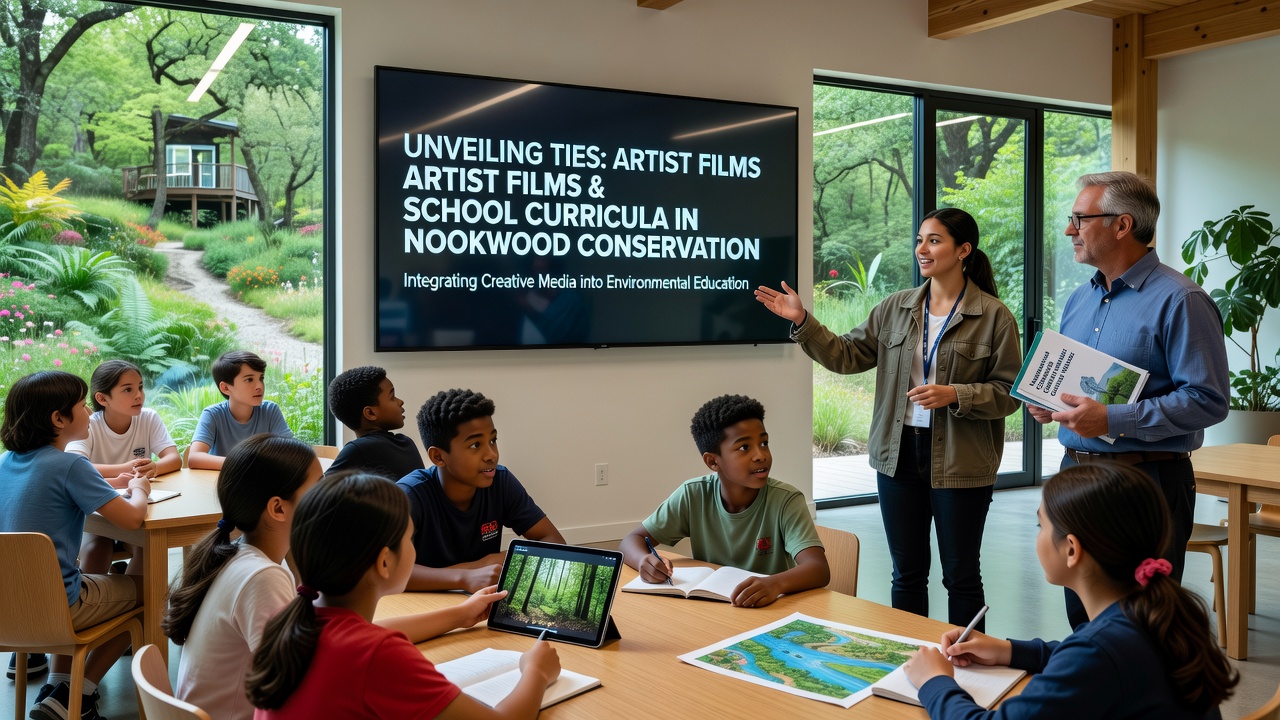
Artist films have entered school curricula across the Nookwood region as tools for teaching conservation principles, and local education boards have incorporated these visual resources into science and history classes since the early 2020s. Students examine footage that documents habitat changes, water flow patterns, and community responses to environmental shifts while they complete assignments that connect visual narratives to measurable conservation outcomes. Teachers report that film-based modules allow classes to review primary source material alongside quantitative data sets collected by regional monitoring stations.
Development of Film Resources in Nookwood
Local artists began producing short documentary films focused on Nookwood's woodlands and waterways after regional authorities requested visual records to supplement written reports. These productions capture seasonal variations in plant cover, animal movement, and restoration projects that began in 2018. School districts obtained licensing agreements that permit teachers to embed selected clips into lesson plans covering ecology units and local history modules. Curriculum designers aligned specific film sequences with state education standards on environmental science, which require students to analyze cause-and-effect relationships in natural systems.
Curriculum Integration Methods
Lesson plans pair artist films with data tables that track species counts and water quality readings taken at fixed Nookwood monitoring sites. Students watch segments showing restoration work, then calculate percentage changes in vegetation density using accompanying spreadsheets. In October 2026, several middle schools will pilot an updated module that adds mapping exercises where learners overlay film locations onto digital conservation maps provided by the regional forestry office. The approach lets classes move from observation to data interpretation within a single class period, while instructors adjust pacing based on student performance on embedded quizzes.
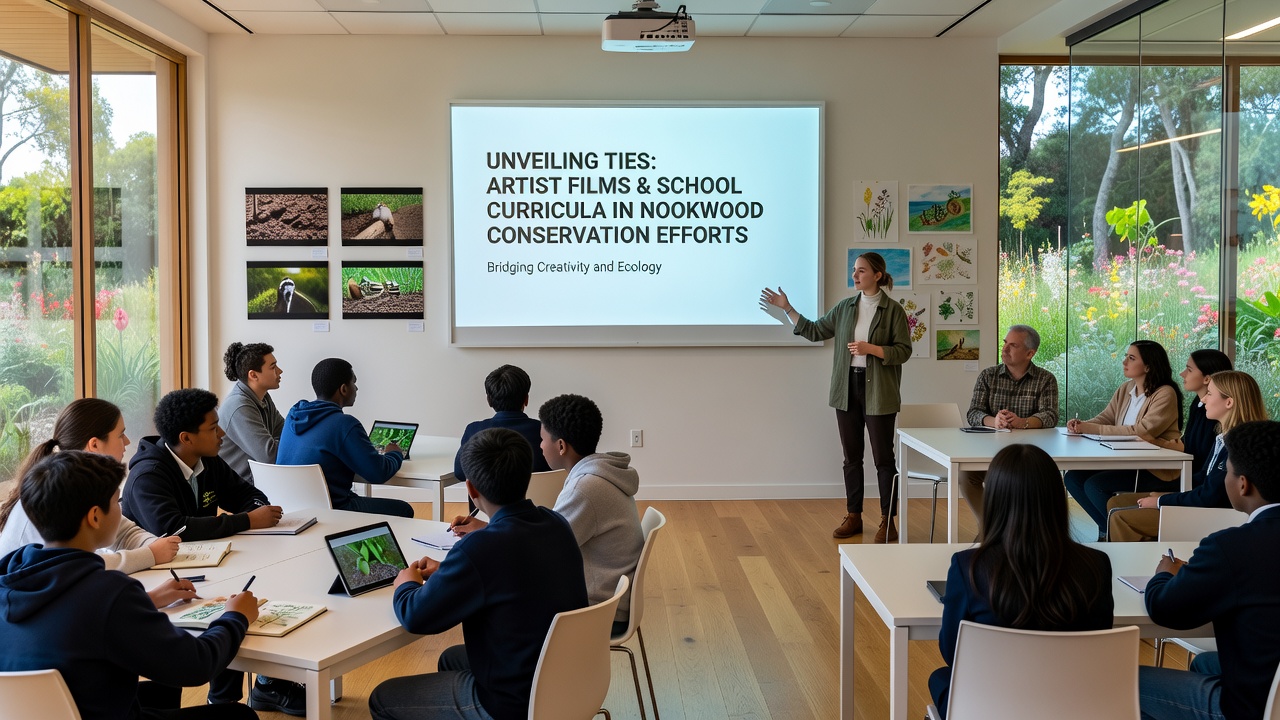
High school programs extend the same materials into advanced placement environmental science courses, where learners produce their own short clips that document ongoing projects such as trail maintenance and invasive species removal. These student films undergo review by both art instructors and science faculty before they enter a shared archive accessible to other districts. Participation numbers from the 2025 academic year show 14 schools contributed 47 new clips that now supplement the original artist collection.
Partnerships and Resource Sharing
Coordination between the Nookwood Conservation Authority and area school boards has produced a shared digital platform that hosts both professional artist films and vetted student work. Access logs indicate steady usage during spring and fall terms when ecology units occur on district calendars. External evaluation from the U.S. Environmental Protection Agency's environmental education program examined similar film-curriculum pairings in other watersheds and found measurable gains in student ability to interpret time-series environmental data. A separate review conducted by researchers at the University of British Columbia's Institute for Resources, Environment and Sustainability reached parallel conclusions when they examined Canadian programs that blend visual storytelling with field measurements.
October 2026 Program Updates
Planning documents released in late 2025 outline additional film screenings scheduled for October 2026 that coincide with national conservation awareness weeks. These events will feature evening presentations open to families, followed by daytime classroom sessions where students compare artist footage with fresh field data collected during the preceding summer. Organizers expect roughly 2,300 students across six districts to participate, and transportation funding has already been allocated through existing conservation grants. The schedule also includes workshops that train teachers to guide discussions on how visual choices in the films emphasize certain conservation challenges over others.
Measurable Outcomes and Ongoing Tracking
District assessment records show that classes using the film modules scored an average of 12 percent higher on standardized questions about local watershed processes compared with control groups that relied solely on textbooks. Follow-up surveys administered six months after instruction indicate that students retain specific details about restoration timelines and species recovery rates when those facts appear in film narration or on-screen graphics. Conservation staff continue to add new footage each season so that curricula remain current with projects such as culvert replacements and native tree plantings scheduled through 2027.
Conclusion
The documented connections between artist films and Nookwood school curricula demonstrate a structured method for combining visual records with quantitative conservation data. Ongoing updates scheduled for October 2026 will test whether expanded access and teacher training produce further gains in student comprehension. Regional authorities maintain public dashboards that display participation metrics and assessment results so that other districts can evaluate similar approaches against their own educational requirements.